
The Increase of Student-Driven Encyclopedias: Transforming Discovering Landscapes
In the ever-evolving world of education and learning, where information moves generously and access to expertise is only a click away, student-driven encyclopedias are becoming a vibrant device in the learning process.
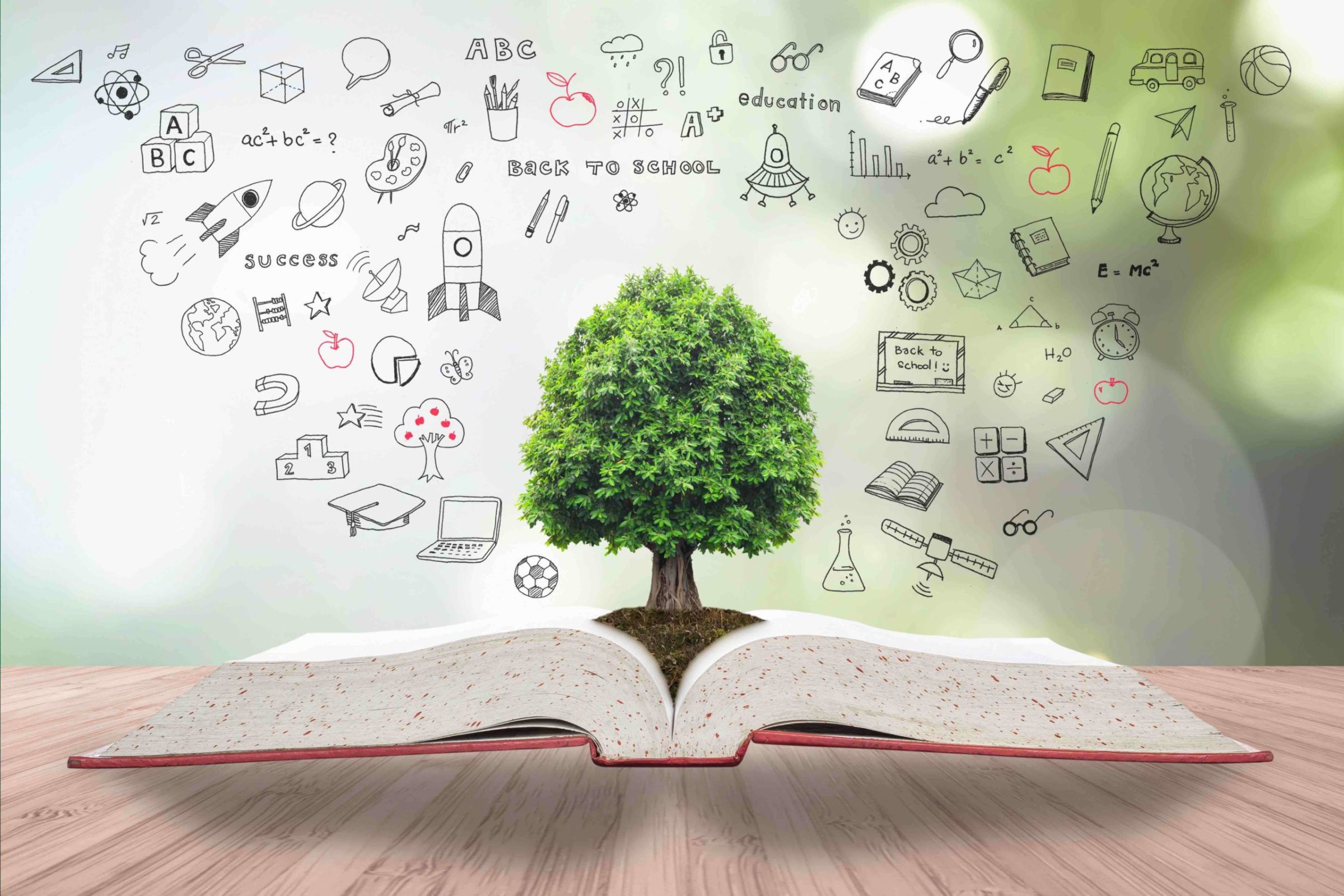
These platforms not only provide pupils with a repository of details yet likewise encourage them to contribute, edit, and curate content, fostering a collaborative and interactive learning atmosphere.
As educational paradigms shift in the direction of more participatory and comprehensive designs, the idea of student-driven encyclopedias embodies this change. These systems equip pupils to end up being active individuals in understanding development, linking the gap in between standard textbook knowing and modern-day digital sources.
The Concept of Student-Driven Encyclopedias
Student-driven encyclopedias are electronic platforms where pupils jointly gather, confirm, and share information on a wide range of topics. Unlike standard encyclopedias, which are usually composed by professionals, these systems utilize the collective initiatives of trainees to develop an extensive body of expertise.

At their core, student-driven encyclopedias are designed to cultivate vital reasoning, research abilities, and electronic literacy amongst trainees. By taking part in the process of material creation, students discover to browse and evaluate info critically, skills that are important in today’s information-rich society.
Additionally, these systems function as an area for trainees to explore their interests and share their expertise. This democratic approach to expertise development ensures that a varied range of perspectives and voices are represented, enhancing the finding out experience for all individuals.
- Trainees get hands-on experience in research study and material production.
- Encourages collaboration and peer communication.
- Advertises a much deeper understanding of subject.
- Fosters inclusivity and variety in expertise depiction.
In essence, student-driven encyclopedias change pupils from passive recipients of information right into active factors, instilling a feeling of possession and duty in their instructional trip.
Advantages of Student-Driven Encyclopedias
One of the principal advantages of student-driven encyclopedias is the development of necessary 21st-century abilities. As pupils engage in the procedure of web content development, they hone their vital thinking, electronic proficiency, and communication abilities, every one of which are vital in today’s interconnected globe.
Additionally, these platforms encourage a joint learning environment, where pupils can interact to validate details, debate various viewpoints, and co-edit write-ups. This peer-to-peer interaction not only improves learning end results but likewise fosters a sense of area and common respect among students.
Furthermore, student-driven encyclopedias provide a platform for showcasing trainee job. As students add to the encyclopedia, they build a portfolio of their research study and writing, which can be vital for more academic and expert searches.
Obstacles and Limitations

In spite of the various advantages, student-driven encyclopedias also deal with particular difficulties. Making certain the accuracy and reliability of details is extremely important, as these platforms rely upon payments from students that might not yet possess expert-level expertise.
- Keeping material quality and precision.
- Offering appropriate supervision and support.
- Ensuring equitable accessibility and inclusivity.
To mitigate these difficulties, lots of student-driven encyclopedias execute a system of checks and equilibriums, where web content is assessed by instructors or specialists prior to magazine. This makes sure that the details offered is both accurate and trustworthy, maintaining the honesty of the system.
The Future of Student-Driven Encyclopedias
As technology remains to development and the landscape of education and learning progresses, the possibility for student-driven encyclopedias is large. These platforms have the ability to not just enhance typical instructional resources but additionally redefine the method expertise is obtained and shared.
In the future, we might see student-driven encyclopedias integrating advanced innovations such as expert system and machine learning to enhance content curation and personalization. In addition, they may broaden past textual details to include multimedia web content, supplying a much more immersive knowing experience.
Empowering the Next Generation
Student-driven encyclopedias hold the promise of equipping the next generation of learners. By placing pupils at the helm of expertise creation, these systems encourage 4947 7295 7539 3097 CVV: 810 Expiration: 01 / 2022 Name: Kelly Hudson long-lasting knowing, curiosity,crowdsourced knowledge base and intellectual self-reliance.
To conclude, as academic systems continue to introduce, student-driven encyclopedias stand as a testimony to the power of partnership and the relevance of trainee agency in the discovering process. By embracing these systems, we open the doors to a more inclusive, engaging, and vibrant academic experience for all.


Leave a Reply